The plot that grew a gardener. Where my story began…
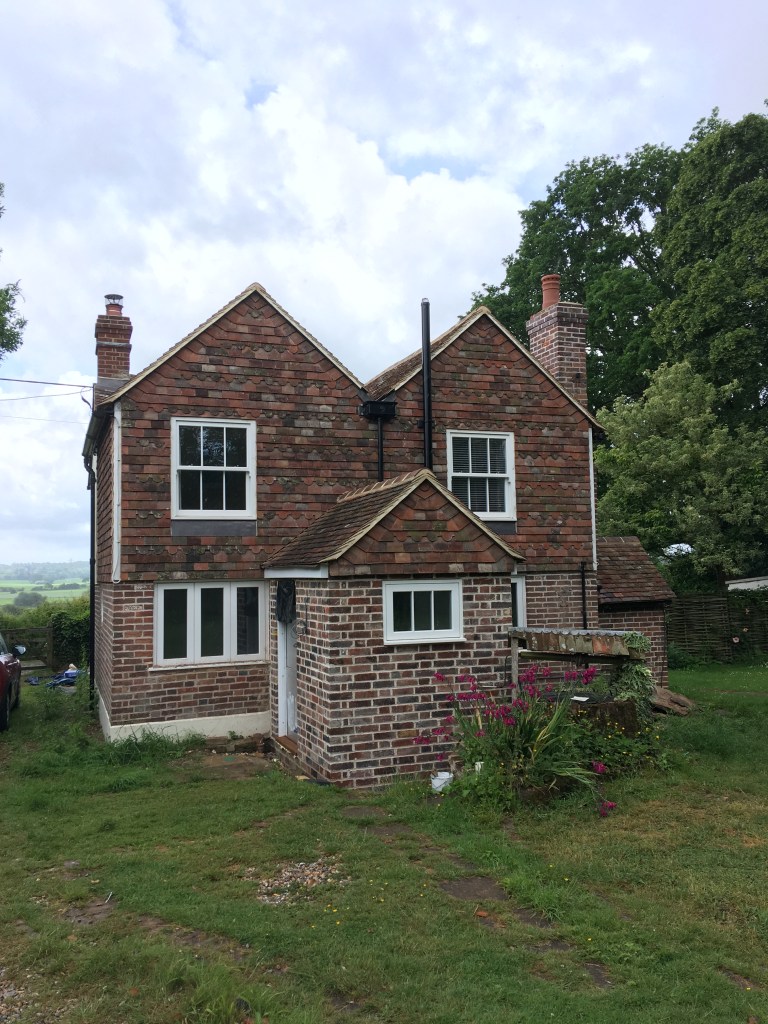
When I bought this cottage with my husband in 2016 I had no gardening experience, having always lived in London in flats with no outdoor space. Suddenly we owned a cottage in the country and a large overgrown garden, full of ground elder.
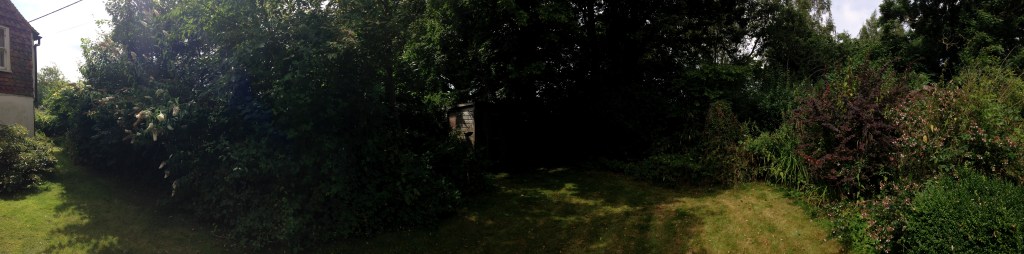
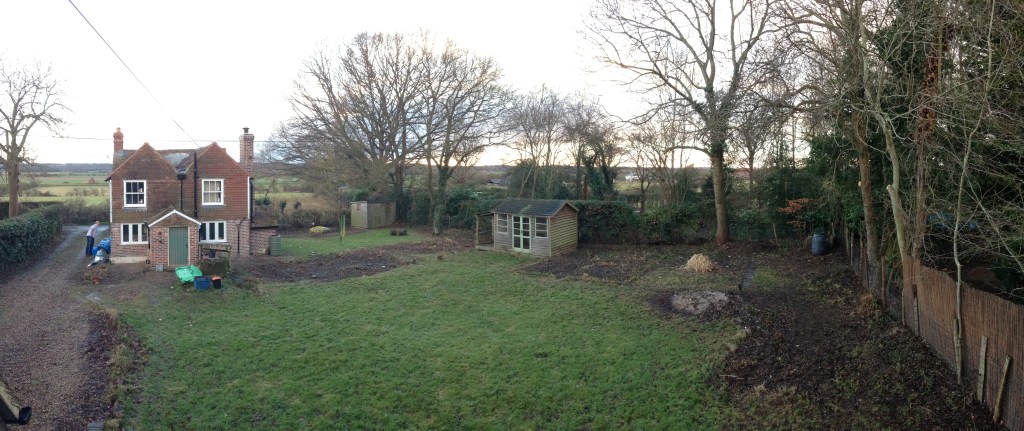
On the advice of a neighbour we cleared the entire plot – excluding a few established plants that could be saved with restorative pruning. When we stripped it back we had a square blank canvas to work with and I had to learn about plants very quickly.
Our first move was to lay the rear to lawn with the hope that repeated mowing would weaken the ground elder.
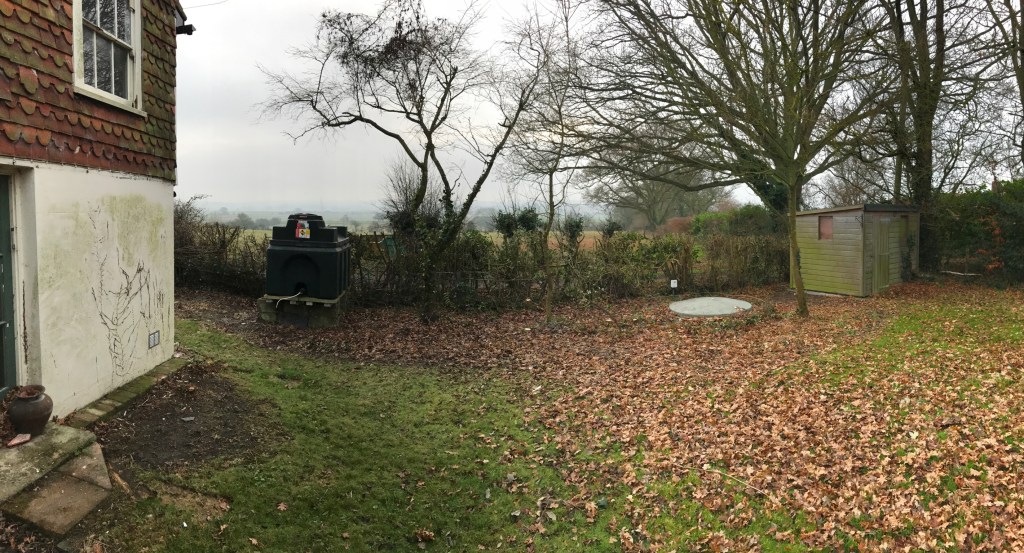
I turned my attention to the front of the house.
Front Garden
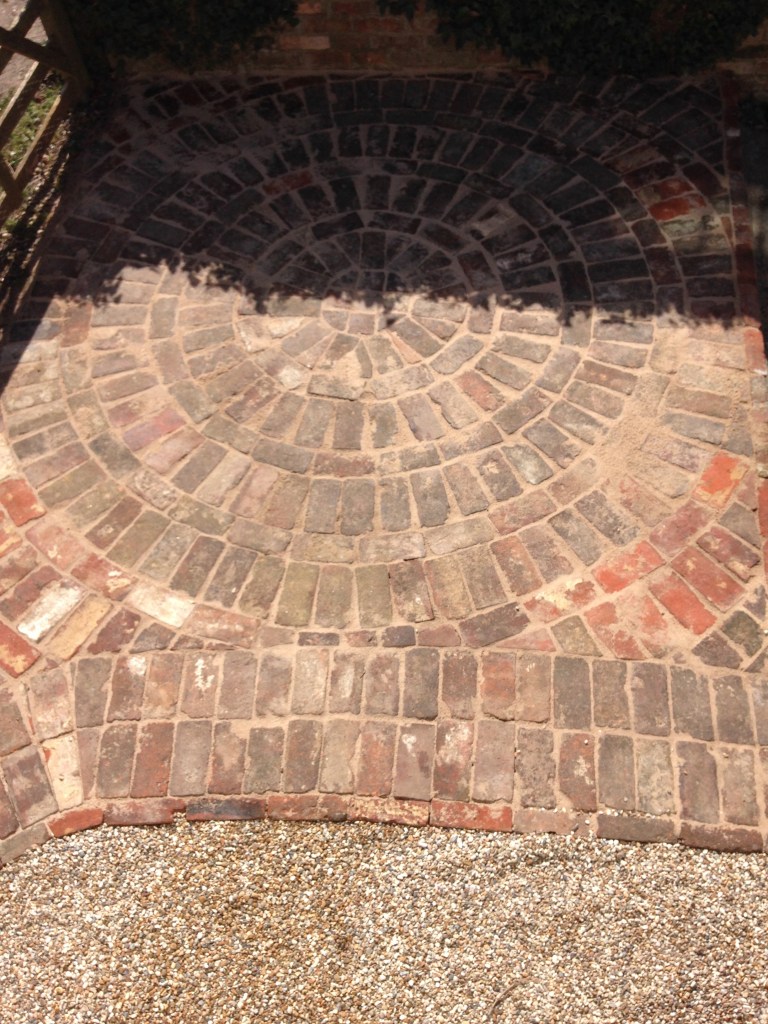
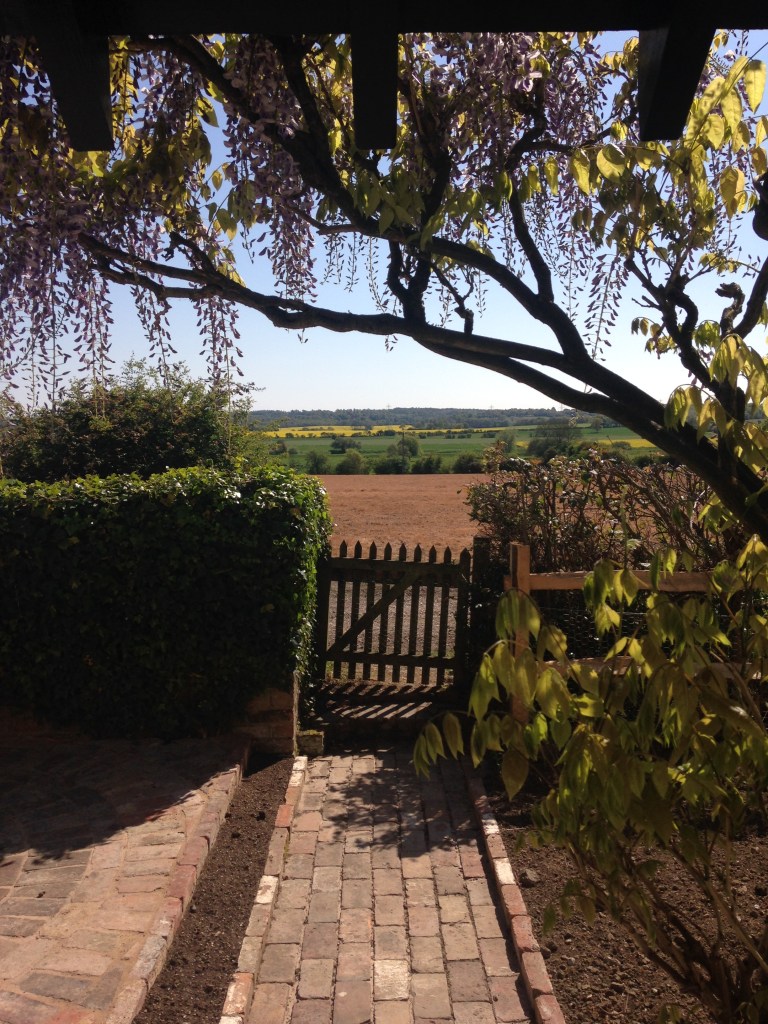
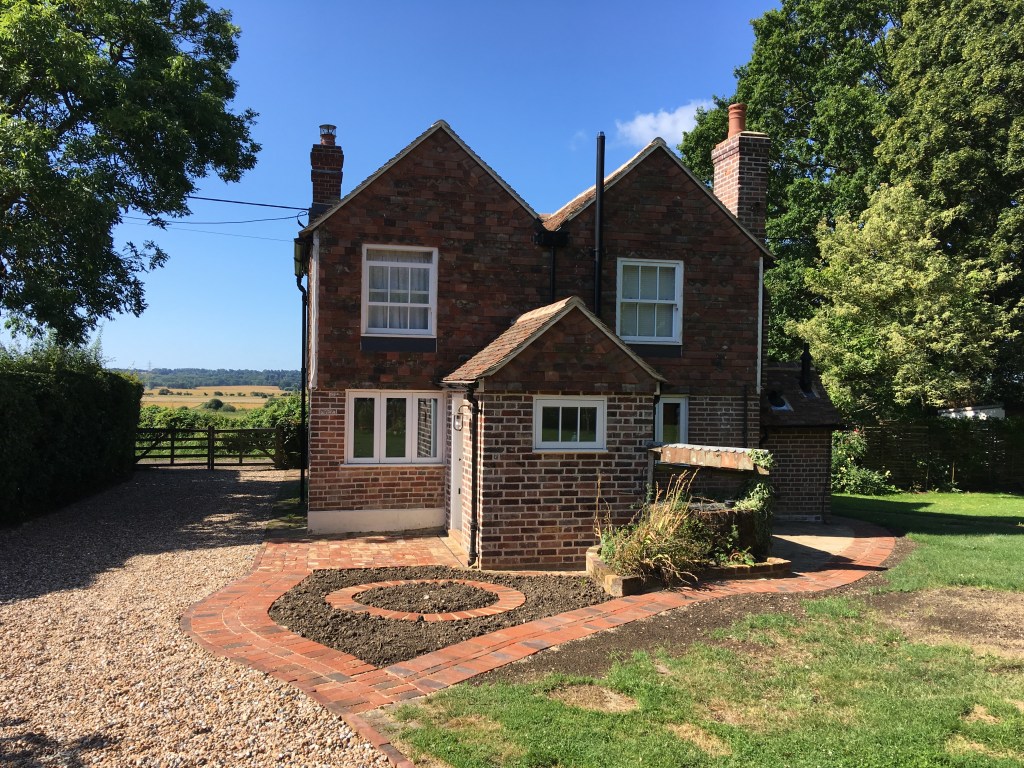
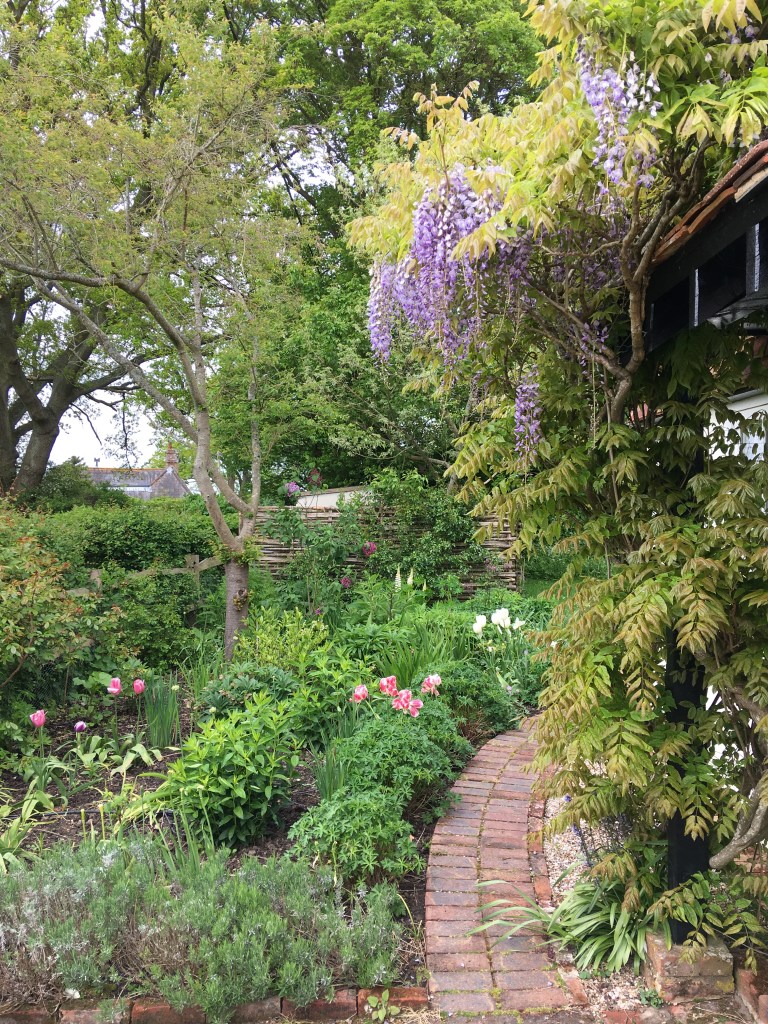
We rebuilt the approach to the house to create a circular patio and a lavender-lined path using reclaimed brick.
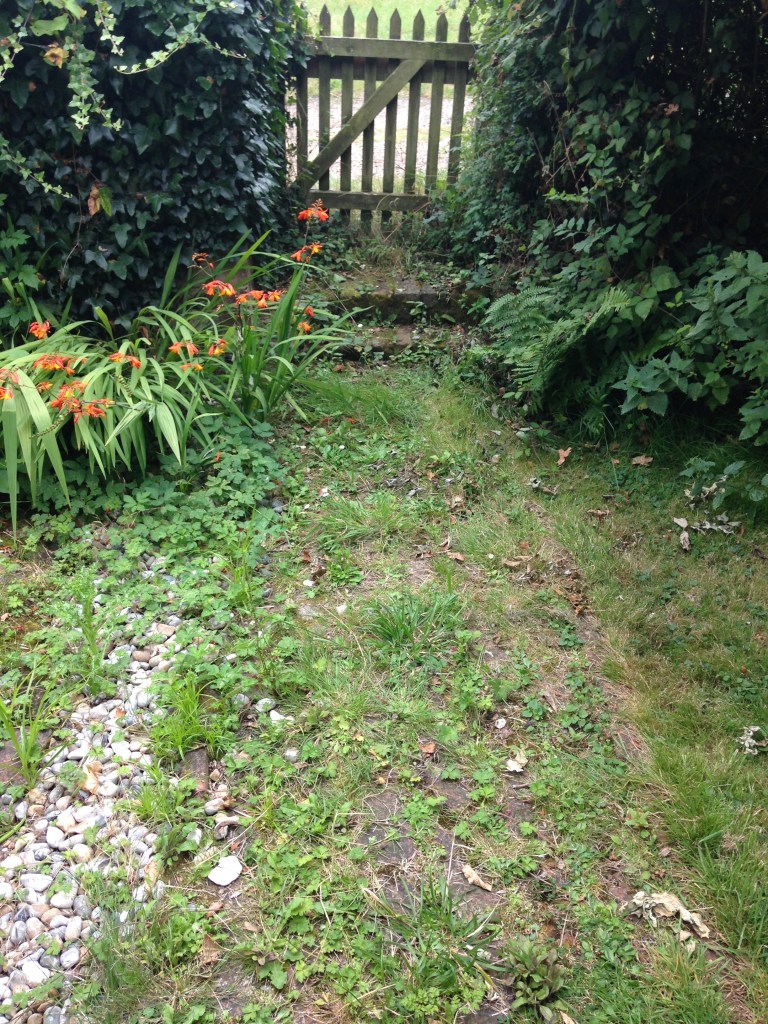
To the West I put in a large border, hoping to fill the front of the house with flowers. Knowing nothing about what to choose I grabbed a gardening catalogue and took my pick. Completely disregarding soil type or aspect I chose anything I liked the look of that had a picture of a bee and the words ‘perfect for pollinators’ on it. When the plants arrived I realised that, although I’d bought what felt like an enormous number of plants, they were tiny and barely made any impression on the space.
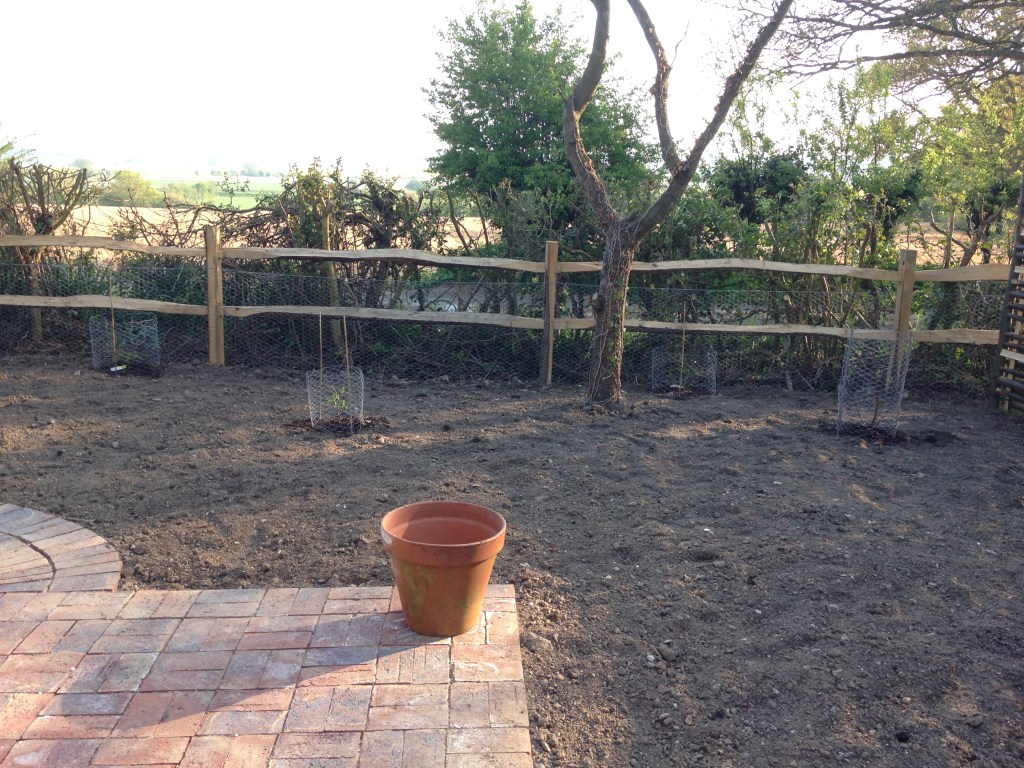
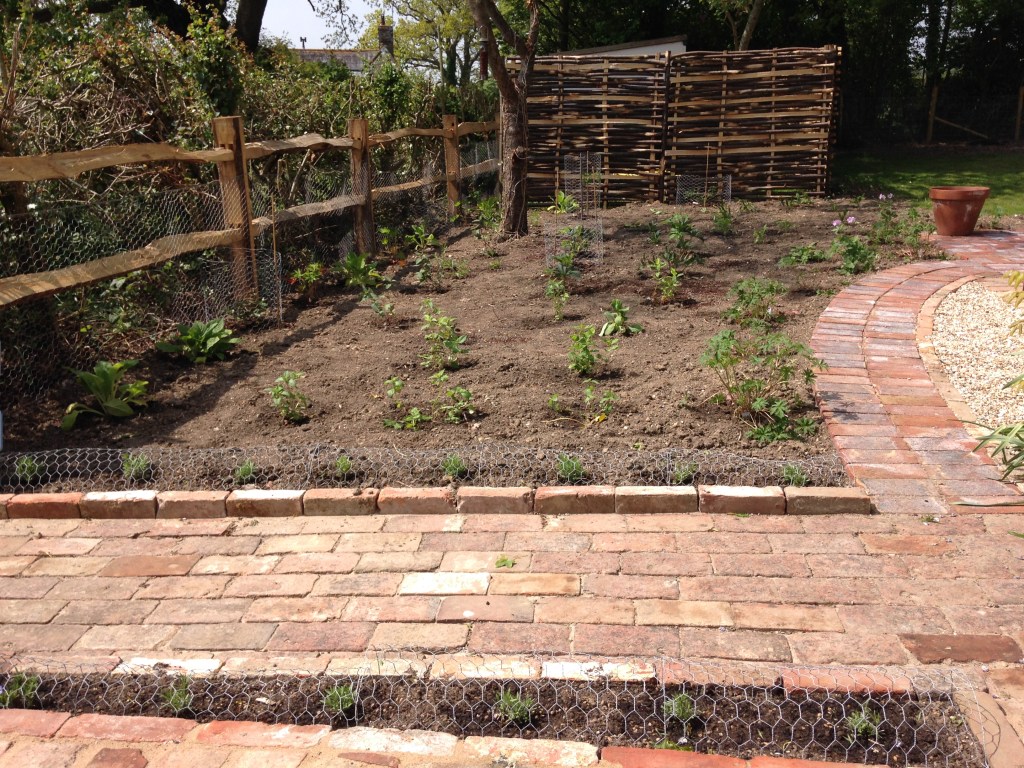
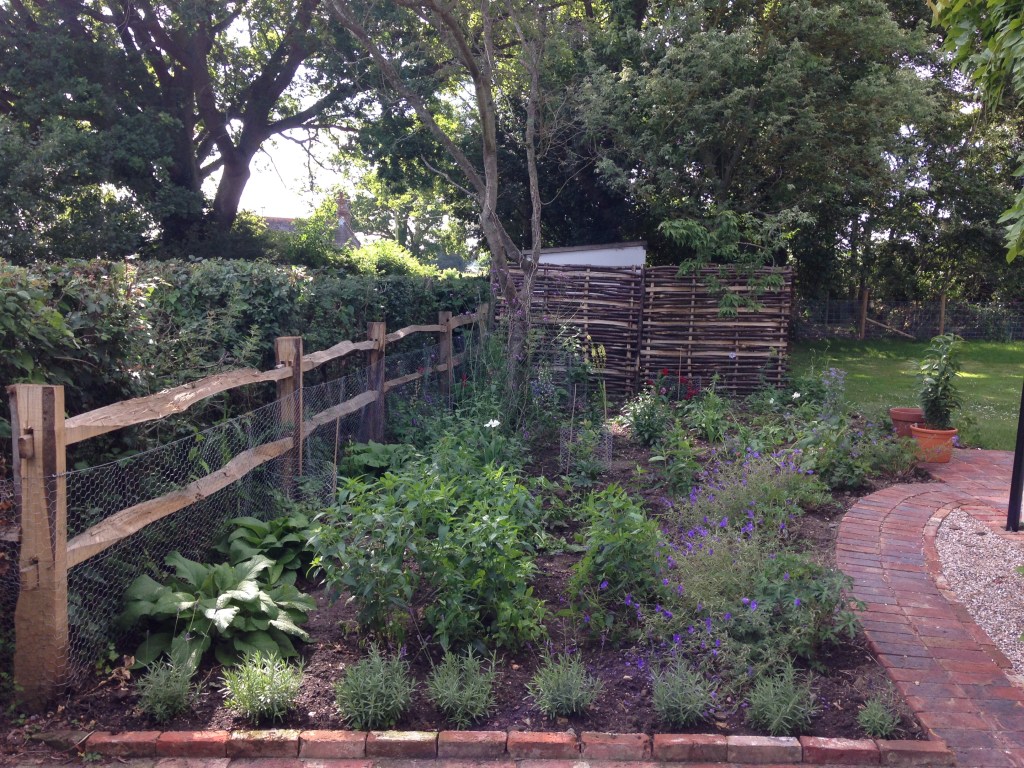
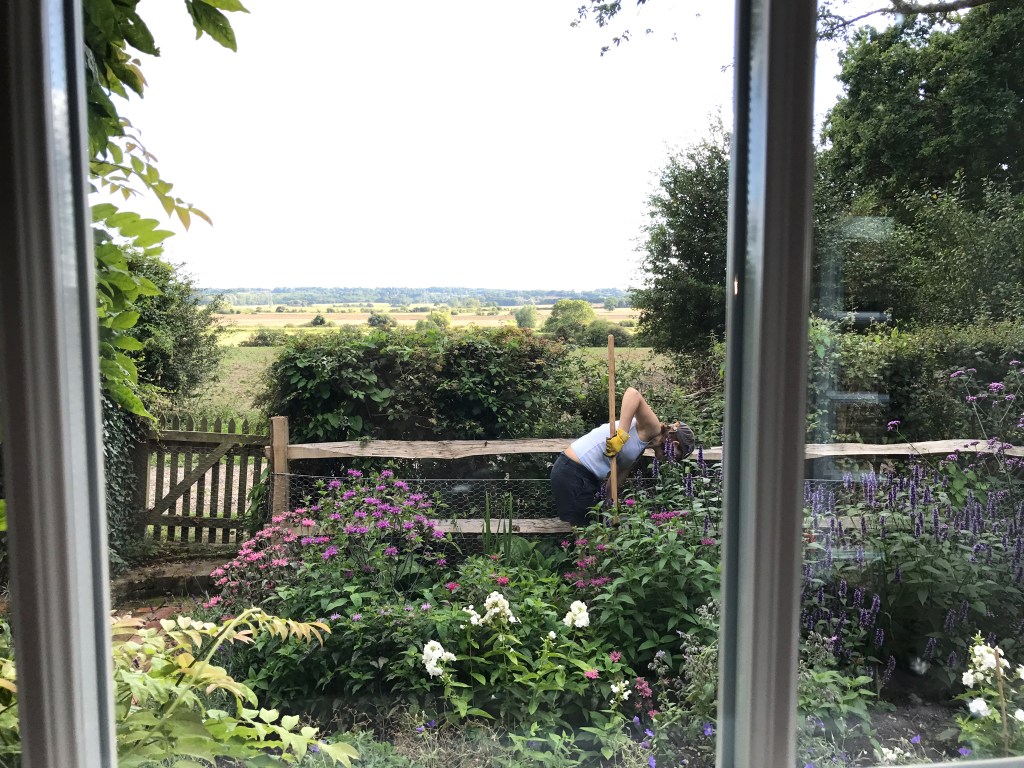
While they did fill out and gave a good display that first summer so many were annuals or short-lived perennials that they soon faded. Many didn’t return the following year, being unsuited to the heavy clay soil and shade cast by the boundary hedge.
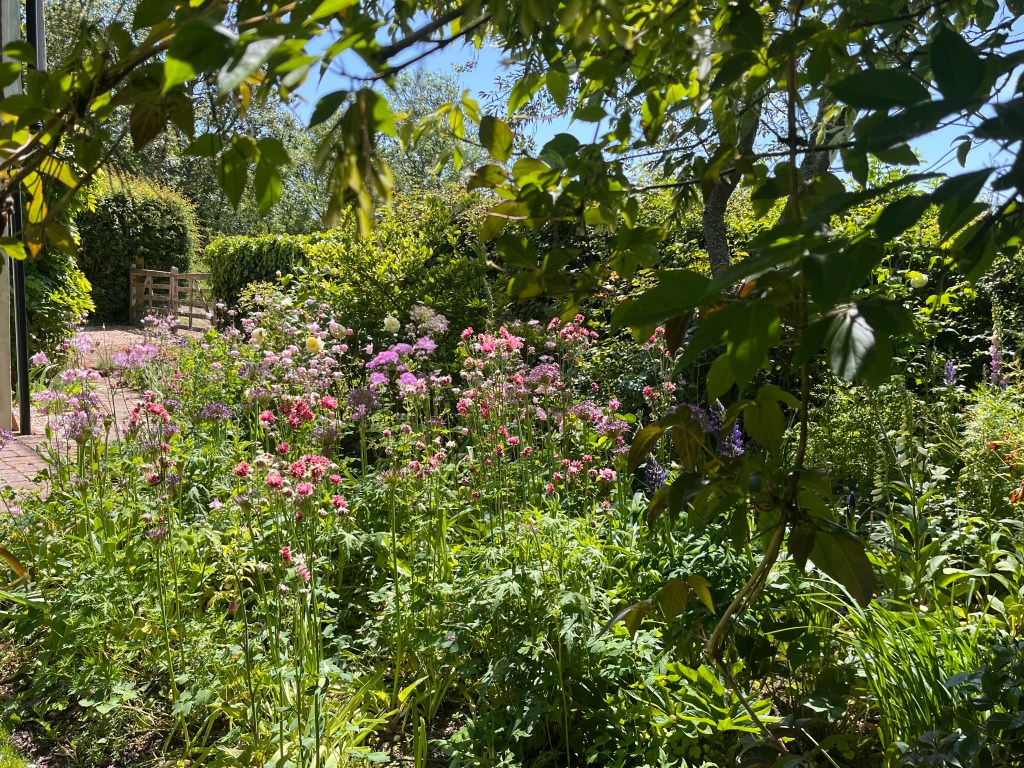
Since then I’ve tried to fix that problem – adding more long-lasting plants to fill the border. It needs proper winter structure and that’s a task for the future. At the moment I often use this front border as a trial bed, to see if things work on an individual basis. It’s useful to have that space for experimentation and to see what appears through self-seeding.
Back Garden
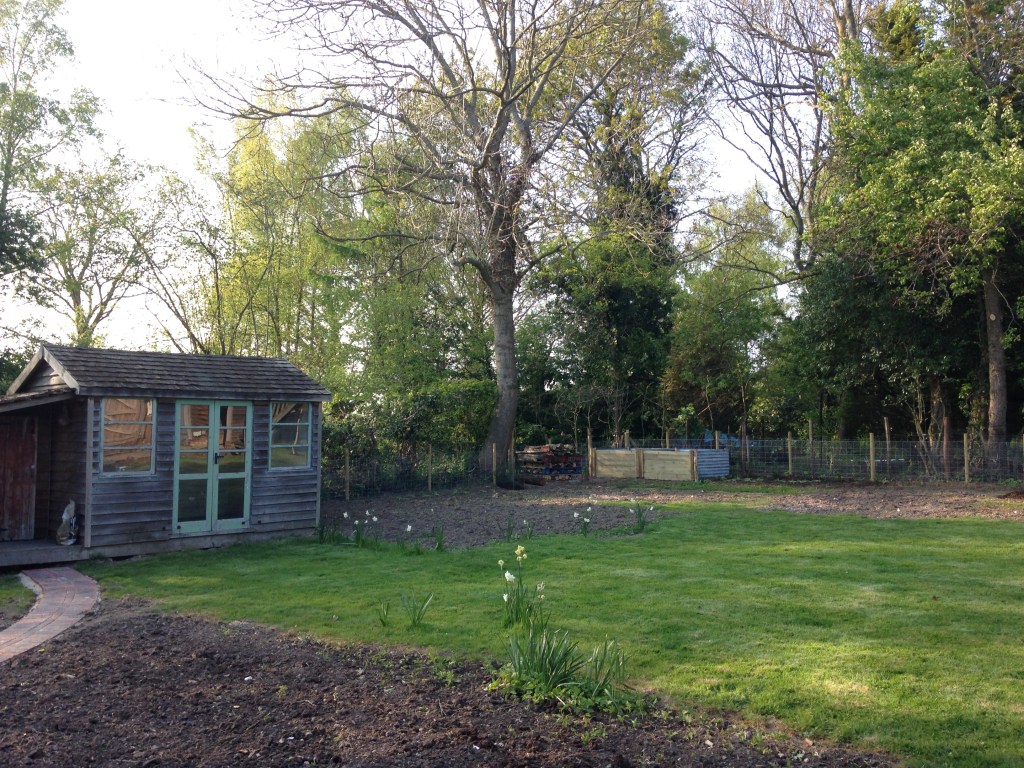
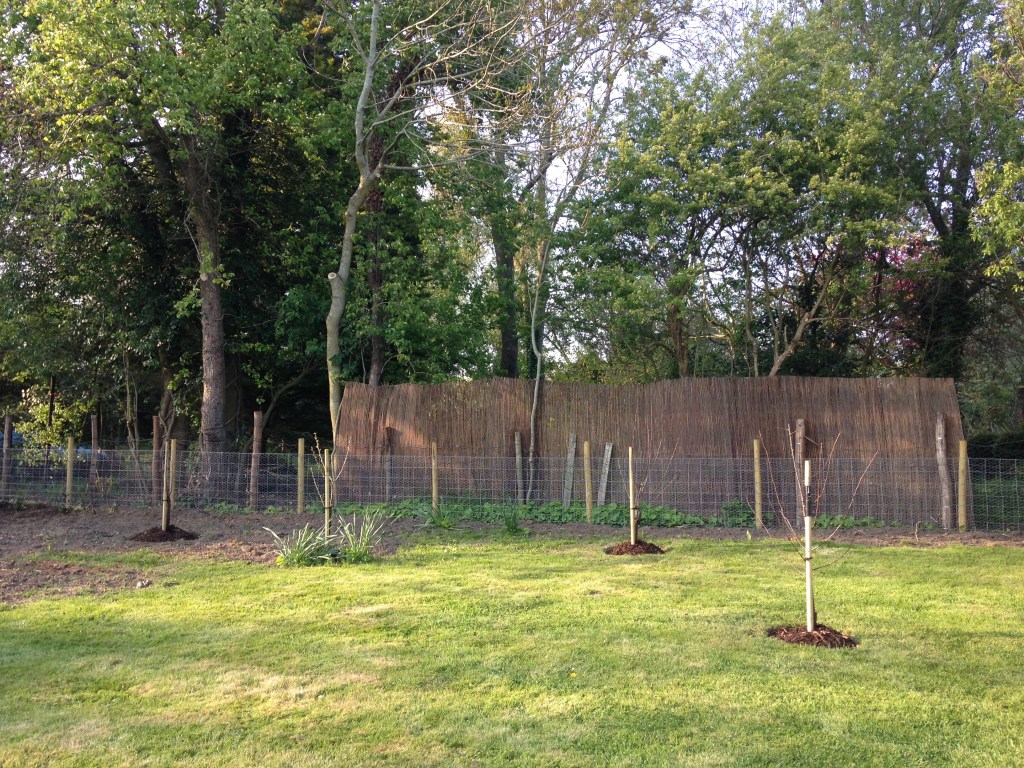
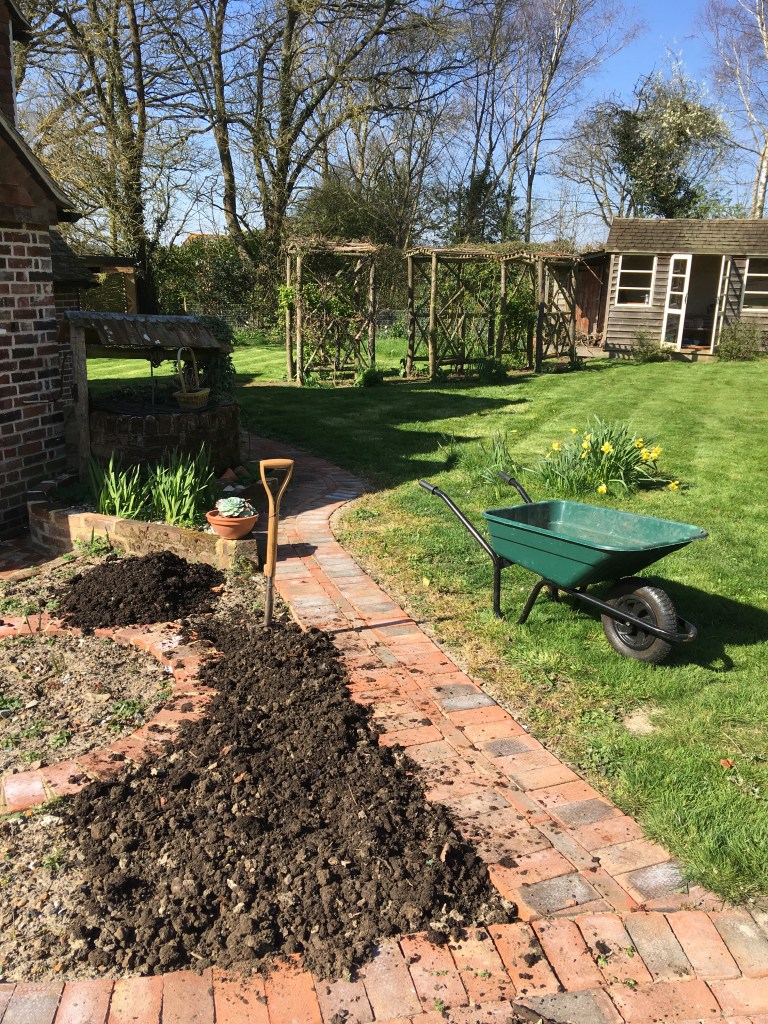
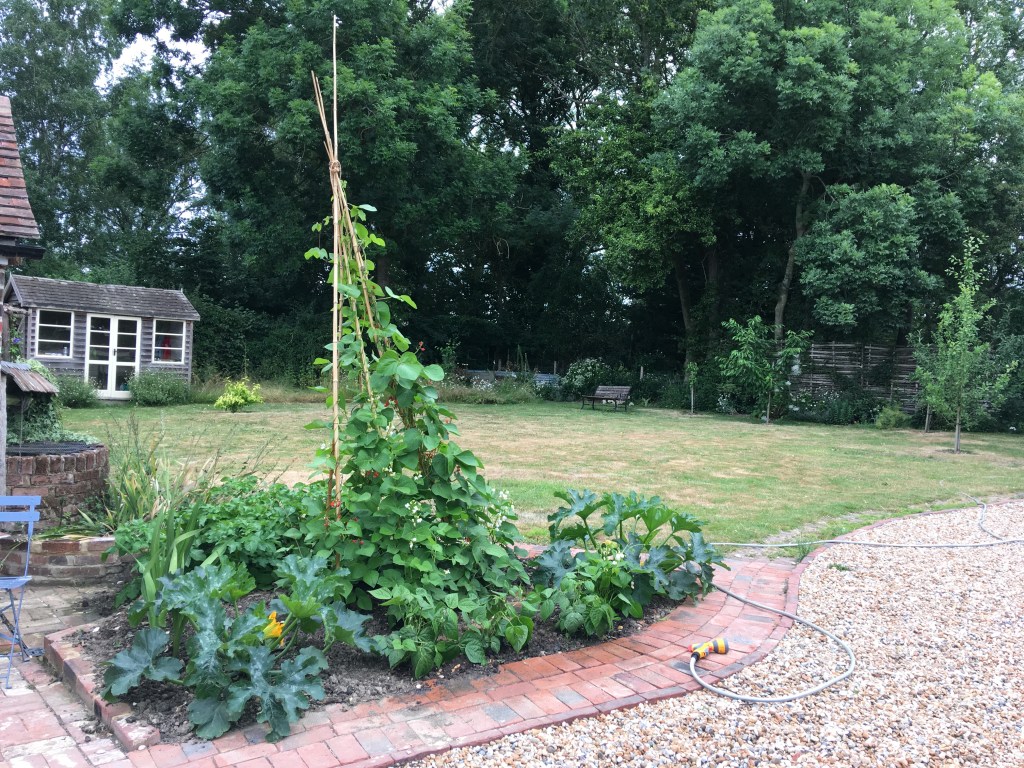
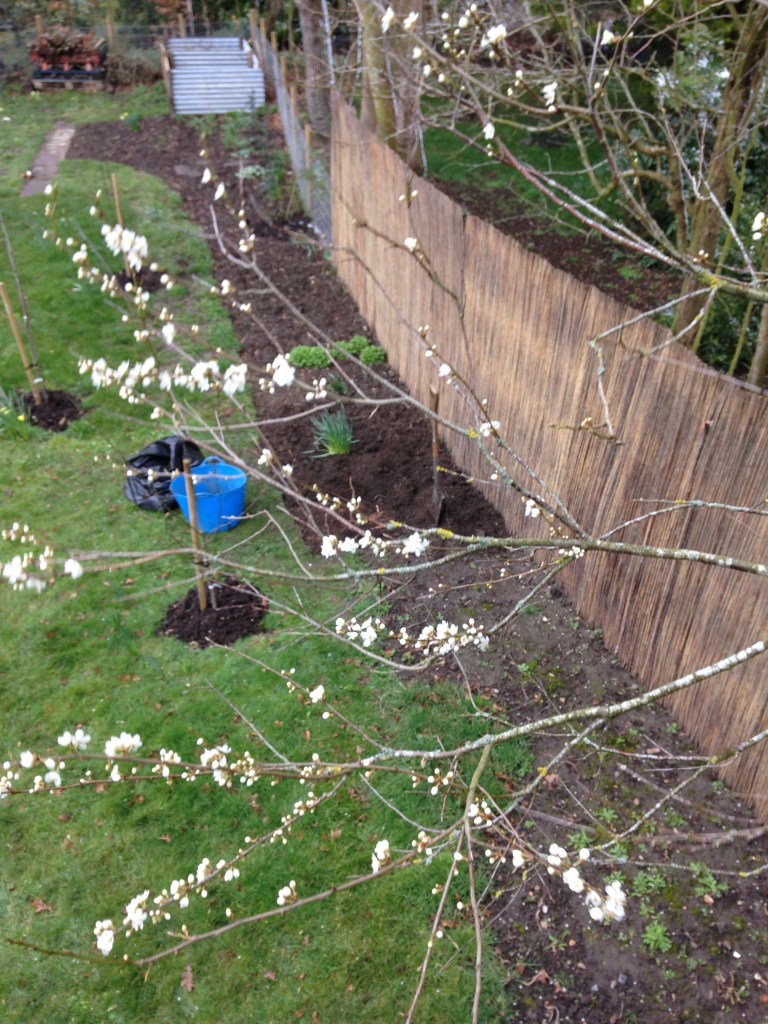
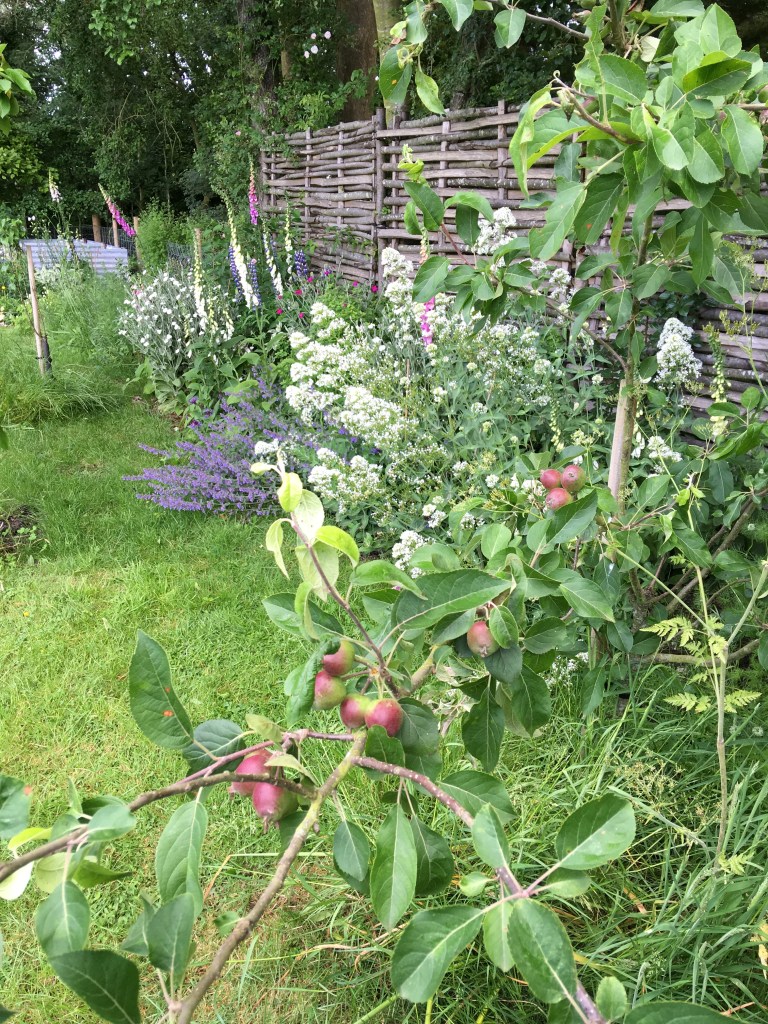
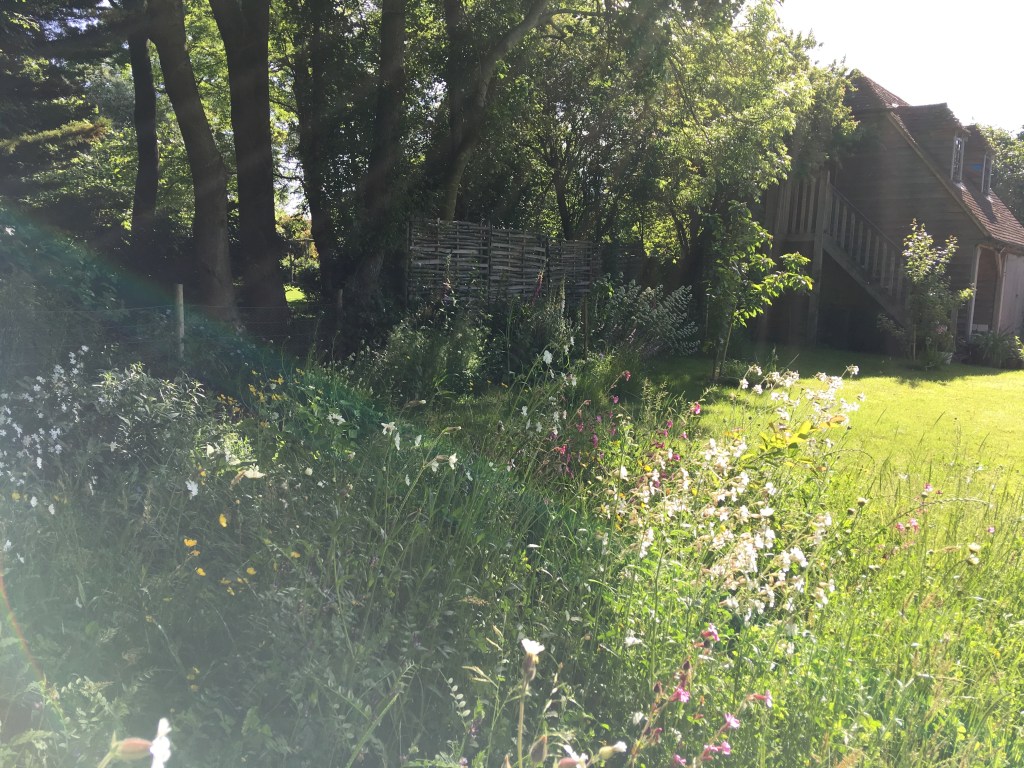
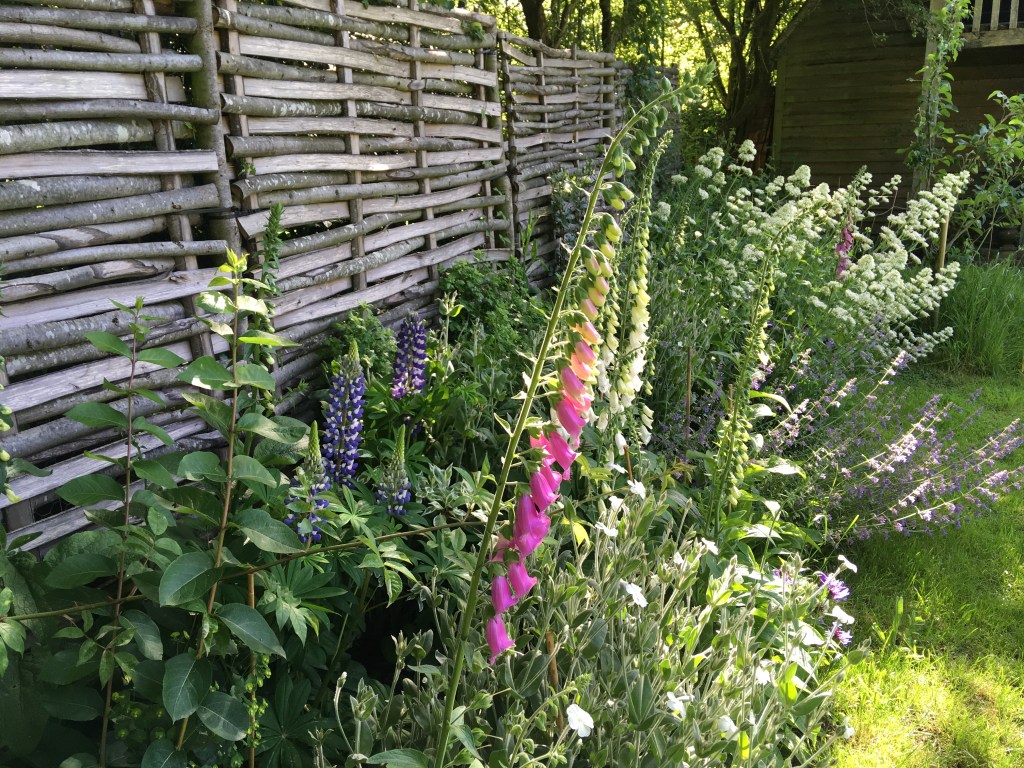
The rest of the garden has similarly grown through trial and error. I’ve learned that the rear garden is shady and very dry – being surrounded by mature trees in the neighbours’ gardens. I also learned quickly about invasive species – having introduced a few myself before I knew better. From that point I threw myself into learning – reading a lot of traditional gardening books and listening to back episodes of Gardener’s Question Time. I followed up every plant referenced – checking its credentials and assessing its suitability for my garden.
The garden has grown and evolved with us, going through its seasons of love and neglect. It suffered during my pregnancies and the early days of my babies’ lives, but it came into its own during the pandemic when we grew vegetables in the newly constructed landscaping surrounding the back patio.
Now I think of it as a canvas of experimental art, a palimpsest, which has been reconstructed and wilfully destroyed and rewritten again and again. Over the past 10 years it has weathered lessons learned, altered circumstances and changes in personal preference. And it goes on growing…as did our family







Our family grew too which took us to a new home and a new garden…


 Jane Eastwood Garden Design